
 Lens
LensHow to hire a product photographer: a 12-point checklist
What to check before you book a product photographer: portfolio fit, deliverables, file sizes, usage rights, samples, timelines and the questions that prevent reshoots.
By MAD Monkey Media · · 6 min read
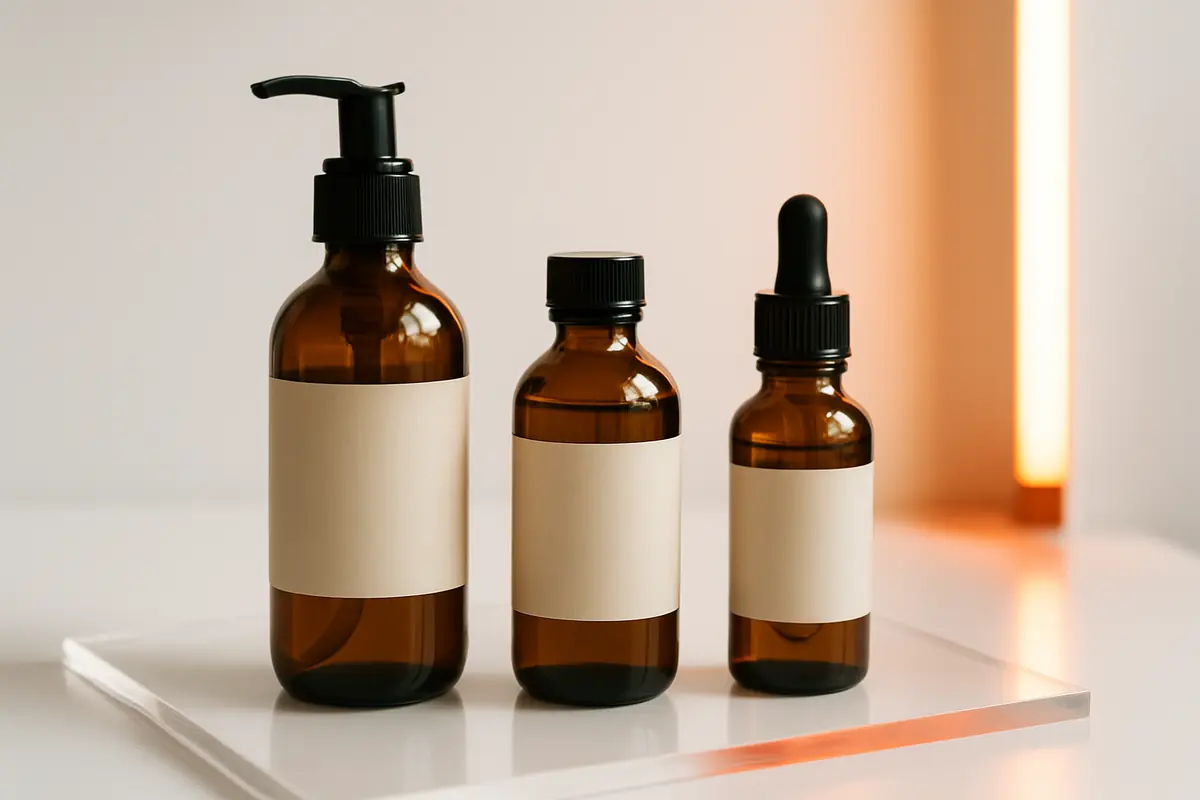
Product photos are one of the few marketing assets you use everywhere at once: your store, marketplaces, ads, emails, sell sheets and sometimes the box itself. That makes hiring the right photographer worth ten careful minutes. Use this checklist before you book, whether you find the photographer on Lens or anywhere else.
Before you contact anyone
- Count your SKUs and variants. Ten products in three colors is thirty setups, not ten. Photographers price by setups and edited images, so an accurate count gets you an accurate quote.
- Decide the looks you need. Most stores need a clean white or light background for consistency, plus a few lifestyle images that show the product in use.
- Collect references. Save three images you love and one you do not. The one you dislike is often the most useful, because it tells the photographer what to avoid.
- Know where the photos will run. Marketplaces, your website, social and print each have their own crops. List them now so nobody discovers a missing 4:5 crop after the shoot.
When you review portfolios
- Look for products like yours. Shiny bottles, clothing, jewelry and food each need different lighting skills. A great portrait photographer is not automatically a great jewelry photographer.
- Check consistency, not just the best image. Scroll a whole set. Do the backgrounds match? Are the angles and shadows repeatable across products?
- Read the project description. On a Lens profile, portfolio projects list what was shot and how it was used. That context matters more than a single hero image.
Questions to ask before you book
- What exactly is delivered? Get the number of edited images, file formats and sizes in writing. Lens packages spell this out before you book; if you hire outside a package, ask for the same clarity.
- What does retouching include? Dust and color cleanup are usually standard. Complex compositing, label replacement or color variants made in post may be extra.
- How can I use the photos? Ask for the usage license in plain words: website, ads, marketplaces, print and for how long. Our plain-English guide to usage rights covers the basics.
- What is the timeline? Ask when samples are due, when proofs arrive, how many rounds of feedback are included and when final files are delivered.
- How do samples get to and from the studio? Agree on shipping, who pays for it, and whether products come back or are consumed during the shoot.
Set the shoot up to succeed
Send clean, unopened samples with a printed or digital shot list. Mark any product that must match an exact brand color, and send a physical color reference if you have one. If a few products matter more than the rest, say so. Photographers spend more time on hero products when they know which ones they are.
Finally, keep one person as the decision maker on your side. Feedback from five people in five different emails is the fastest way to turn a two-day project into a two-week one.
Start with a package price
If you are not sure what to budget, start with the product photography category. The Lens product package starts at $299 for 10 edited product shots, so you can plan from a real number and then decide what to add. When you are ready, browse pros and save the ones you like to your Rolodex.
Related category: Product photography
From $299 for 10 edited product shots.
Explore product photography →Find the right pro for the job
Browse pros, save favorites to your Rolodex and build a crew quote. Browsing and shortlisting are free.
More guides
 For customers
Team headshots that match: how to plan a session once and reuse it for years
A practical plan for consistent company headshots: background, crop, lighting notes, wardrobe, scheduling and how to onboard new hires into the same look.
 For customers
How to write a shot list in 20 minutes (with a copy-ready template)
A simple shot list template for photo and video shoots: purpose, must-have shots, nice-to-haves, crops, people, props and approvals, so nothing important gets missed.
 For customers
Photo and video usage rights in plain English
Who owns the photos you paid for, what a usage license covers, and the questions to ask before you use images in ads, print or resale. General information, not legal advice.